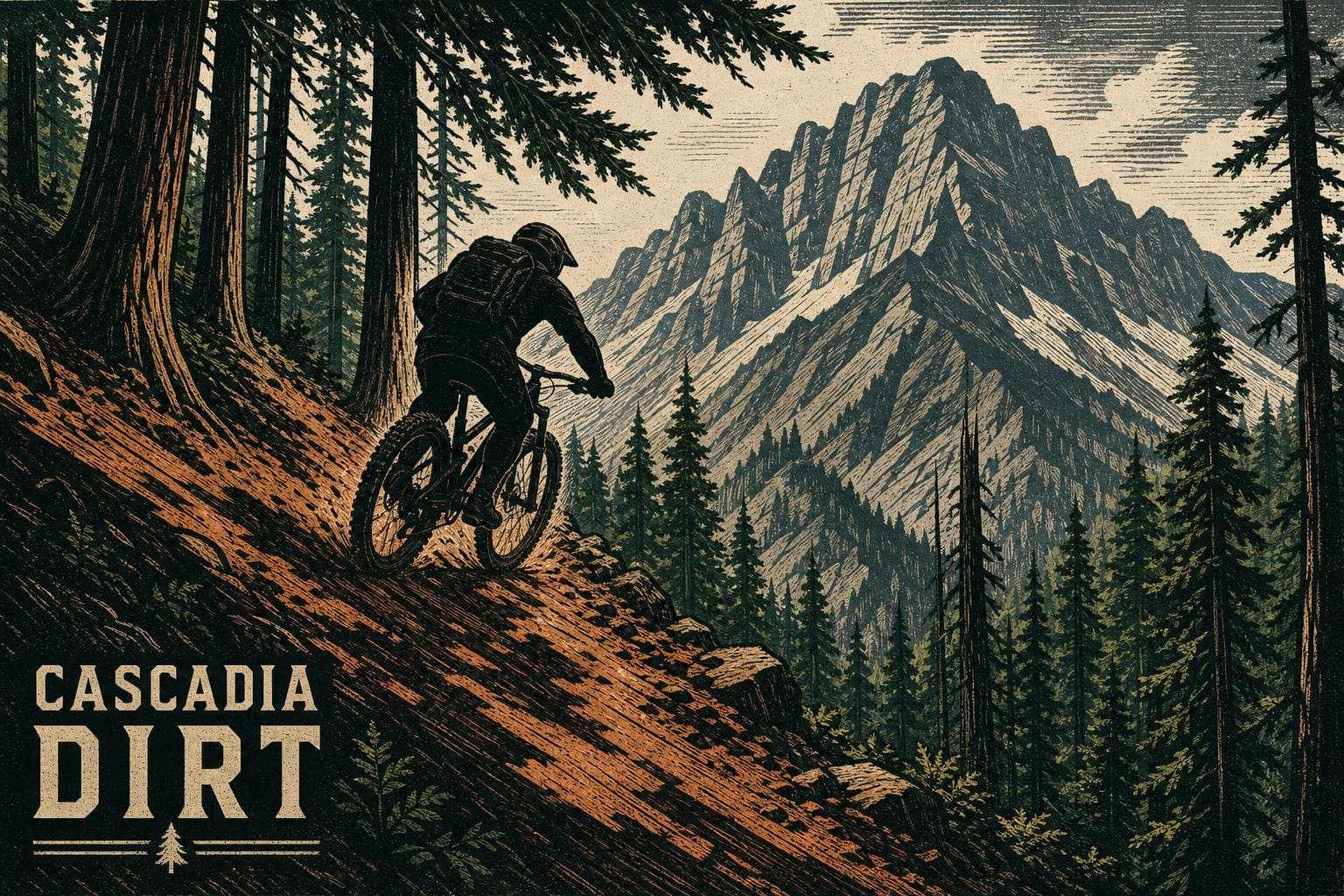

Seven years of digging, and the Naneum Ridge trail system finally opened this year. Fourteen miles of singletrack in Kittitas County, ranging from green to black, built largely on funds that Evergreen Mountain Bike Alliance raised themselves. DNR cut the ribbon. Evergreen did most of the heavy lifting to get there.
That's the pattern worth paying attention to right now — not the ribbon-cutting, but the model underneath it.
The Wins Are Real, and They're Stacking Up
The Cookie Cutter system at Naneum Ridge is the most visible recent example, but it's one piece of a larger picture. Over in the Methow Valley, Evergreen's Methow chapter is mid-build on a 35-mile trail system at Loup Loup Ski Bowl, partnering with the Loup Loup Ski Educational Foundation and the US Forest Service to convert a winter-only ski area into a year-round riding destination. Sixteen miles are already rideable. The project is turning a community ski hill that had essentially no relevant mountain bike infrastructure into something that could anchor the Methow as a legitimate riding destination — not just a Nordic skiing hub.
Meanwhile, Evergreen's early-season trail work has been running across multiple chapters simultaneously: storm recovery at Ski Hill in Leavenworth after December damage took out hundreds of trees, new trail construction at Raging River (Trail E and C descents slated for fall 2026 as part of Phase 4), maintenance across Duthie Hill's core trails, and berm refreshes at Beacon Hill in the East Chapter. The Kittitas Chapter — same crew that helped build Naneum Ridge — was already pivoting to maintenance on Rat Pac in Roslyn before the season was fully underway.
This is what a functioning trail advocacy organization actually looks like in operation. Not one project. Many, simultaneously, across a state that's 70,000 square miles.
The Context That Makes This More Impressive
Here's the part that doesn't make it into the press releases: Washington DNR has been operating under budget pressure for years. Commissioner Dave Upthegrove acknowledged it directly at the Naneum Ridge opening — the trails were built partly in anticipation of continued volunteer support because DNR's own recreation funds are limited. The agency is launching projects on the assumption that Evergreen will keep showing up. That's a significant institutional bet on a nonprofit.
The Teanaway Community Forest tells a similar story. DNR opened a new trailhead and 18 miles of nonmotorized trails there this year, completing Phase 1 of the West Fork Teanaway Trails Plan — a project that's been in development since 2022 and involved a decade of community input. That one leaned more heavily on Washington Trails Association than Evergreen, but it's the same structural dynamic: a state agency with constrained resources depending on nonprofit partners to make recreation infrastructure happen.
At the federal level, Outdoor Alliance Washington's trip report from Kettle Fest 2026 is blunt about what's happening: with a significantly reduced federal land manager workforce, agencies like the Forest Service are increasingly relying on nonprofits and their volunteer communities for support. Evergreen's annual Kettle Fest — a more-than-20-year tradition on the Colville National Forest — logged hundreds of volunteer hours this summer. Congressional staff were present. So were representatives from the Colville Confederated Tribes, a relationship Outdoor Alliance Washington flagged as a new and meaningful connection.
What "Quiet Victory" Actually Means Here
I've written before about the ceiling on the volunteer model and the structural limits of depending on nonprofit labor to fill gaps that public agencies used to cover. Those limits are real, and they haven't gone away. But Evergreen is operating in a way that's worth distinguishing from the generic "volunteers fill the gap" story.
The Methow project isn't volunteers patching a failing trail — it's a chapter identifying an underserved area, building a coalition with a ski foundation and the Forest Service, and executing a multi-year construction plan. The Naneum Ridge system started in 2018 and opened in 2026. That's eight years of sustained organizational commitment, not a weekend work party.
The quiet victories here are quiet because they don't fit a clean news cycle. There's no single announcement, no dramatic confrontation with a land manager, no viral trail opening. There's just a 9,000-member organization with ten chapters across Washington, grinding through permit processes and volunteer coordination and fundraising, and coming out the other side with trails that didn't exist before.
Watch for Phase 2 of the West Fork Teanaway plan and the completion of the Loup Loup build — both will test whether the partnership model holds when the easier terrain is already done and the harder construction work begins.


